Kabab Koobideh Recipe

Jun 21, 2023, Updated Feb 20, 2026
This post may contain affiliate links.
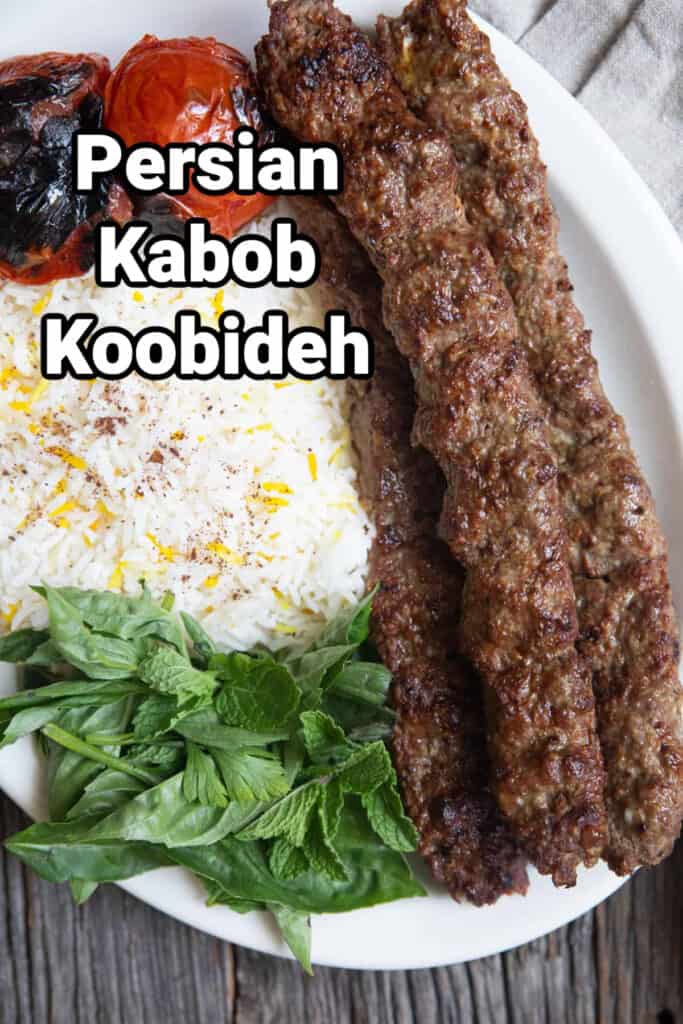
Kabob koobideh is arguably the most beloved kabob in all of Persian cuisine, the one that shows up at every family gathering, every restaurant menu, and every backyard barbecue from Tehran to Los Angeles. The name comes from the Persian word koobidan, meaning to pound or mince, which refers to the way the meat is worked until it becomes a smooth, sticky paste that holds together perfectly on the skewer. It sounds simple, but getting it right is an art that Iranians take very seriously.
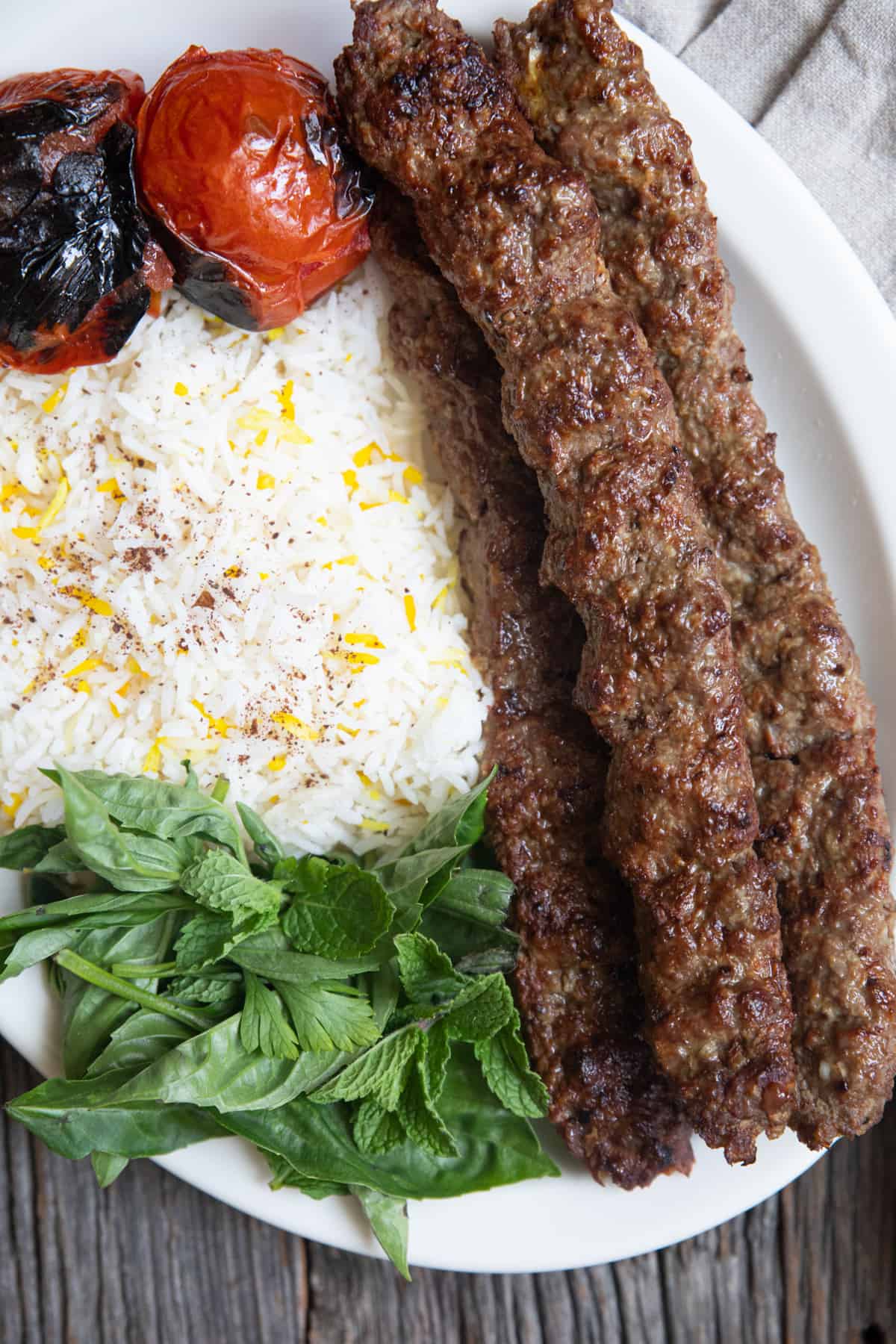
What makes koobideh stand apart from other ground meat kebabs like Turkish Adana or Lebanese kofta is the delicate balance of meat, onion, and spice. There are no breadcrumbs, no eggs, no fillers. Just high-quality meat, the right amount of grated onion, a generous hand with salt and pepper, and the patience to knead the mixture until it transforms. The result is a kabob that is juicy, deeply savory, and slightly smoky from the grill, one of those dishes that tastes exactly like it smells.
I grew up eating koobideh and have spent years perfecting this recipe to make sure it works in a home kitchen, not just over a traditional mangal. Whether you’re making it for the first time or trying to nail the technique you grew up watching, this tutorial walks you through every step, from the meat mixture to the skewer method to the grill setup, so you get perfect koobideh every single time.
If you love Persian kabobs, koobideh is just the beginning. Joojeh kabab is a saffron-marinated chicken kabob that is perfect for those who prefer poultry. Kabob torsh is a northern Iranian specialty made with pomegranate and walnut paste, tangy and deeply flavorful. And chenjeh is a simple but stunning kabob that lets the quality of the meat speak for itself. Each one is worth making, but koobideh is always the place to start.
Table of Contents
Tips To Make The Best Koobideh
- The meat: You can either grind the meat yourself or use store-bought ground beef. It’s very important to make sure that the meat contains enough fat; otherwise it’ll fall off the skewers. Make sure the meat has at least 20% fat.
- Onion: What makes a good koobideh is the onion to meat ratio. The amount of onion used in the recipe should be 1/4 of the amount of meat. For example. If you’re using 2 lbs of meat, you need 1/2 lb onion. You should grate or puree the onion in a food processor, place it in a cheese cloth and squeeze to remove all the excess liquid prior to weighing it.
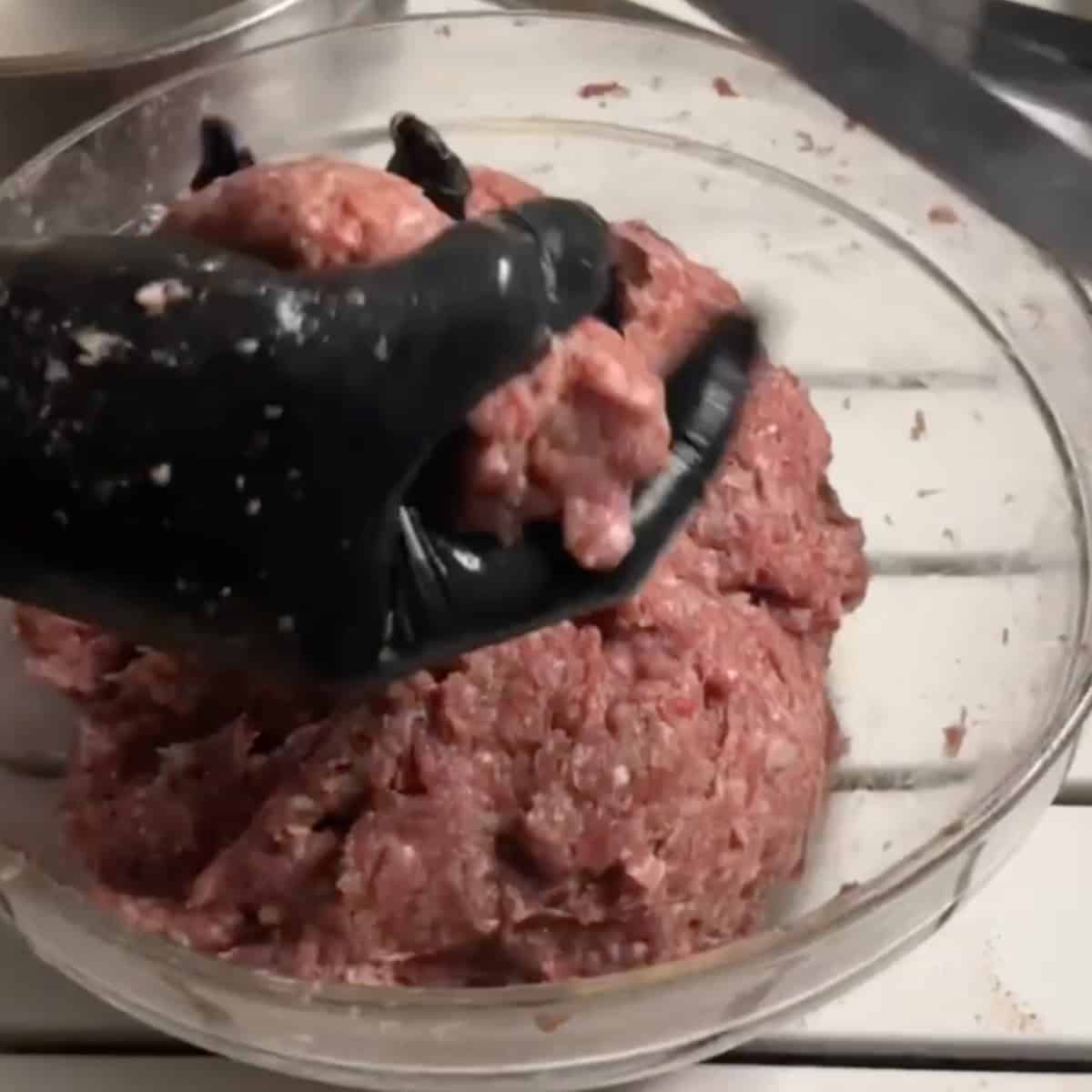
- Knead: When you think you’ve kneaded the meat mixture long enough, knead it some more. The mixture should look paste-y and feel sticky.
- Have it all ready: Koobideh cooks very quickly, therefore it’s best to form the kabob on all the skewers prior to grilling. Flip the skewers immediately and constantly once they’re on the grill. Also, be sure to have a pot with a lid on hand to keep the cooked kabab warm while the rest is grilling.
The Grill
The koobideh skewers should not touch the grates when grilling. The classic approach to making kabab koobideh calls for mangal, a rectangle charcoal grill with removable or no grates. Using this type of grill is recommended since the kabob skewers won’t touch anything (including grates) while being cooked.
However, since mangals are not available to everyone, here are a couple of tips on how to use whatever charcoal or gas grill you have at home:
- If using a gas grill, make sure it’s heated to high heat (about 450 degrees F). This will prevent the meat from falling off the skewers. If using a charcoal grill, make sure they are glowing, have no smoked and are lightly covered with ashes.
- If you have a grill with grates that you cannot remove, buy a couple of flat sided metal pipes from the hardware store and place them parallel to each other on top and bottom of the grill and set the skewers on them so the kabobs don’t touch the grates. Alternatively, you can use bricks instead of pipes.
Kabob Koobideh Ingredients
- Meat: You can use lamb, beef or a combination of both. I recommend using half lamb and half beef. Lamb already contains enough fat but you need to make sure the beef has at least 20% fat content for the mixture to have the right consistency. It’s possible to grind the meat at home, in which case I recommend using lamb ribs and beef chuck to get the proper fat content.
- Onion: What makes a good koobideh is the onion to meat ratio. The amount of onion used in the recipe should be 1/4 of the amount of meat. For example. If you’re using 2 lbs of meat, you need 1/2 lb onion. You should grate or puree the onion in a food processor, place it in a cheese cloth and squeeze to remove all the excess liquid prior to weighing it.
- Saffron: Make sure to check out my tutorial on how to bloom saffron. While saffron adds a lot of flavor to the kabob, if you don’t have it, simply leave it out and still make the recipe, it’s going to be good.
- Spices: All you need is salt and pepper. Season generously.
How To Make Kabob Koobideh
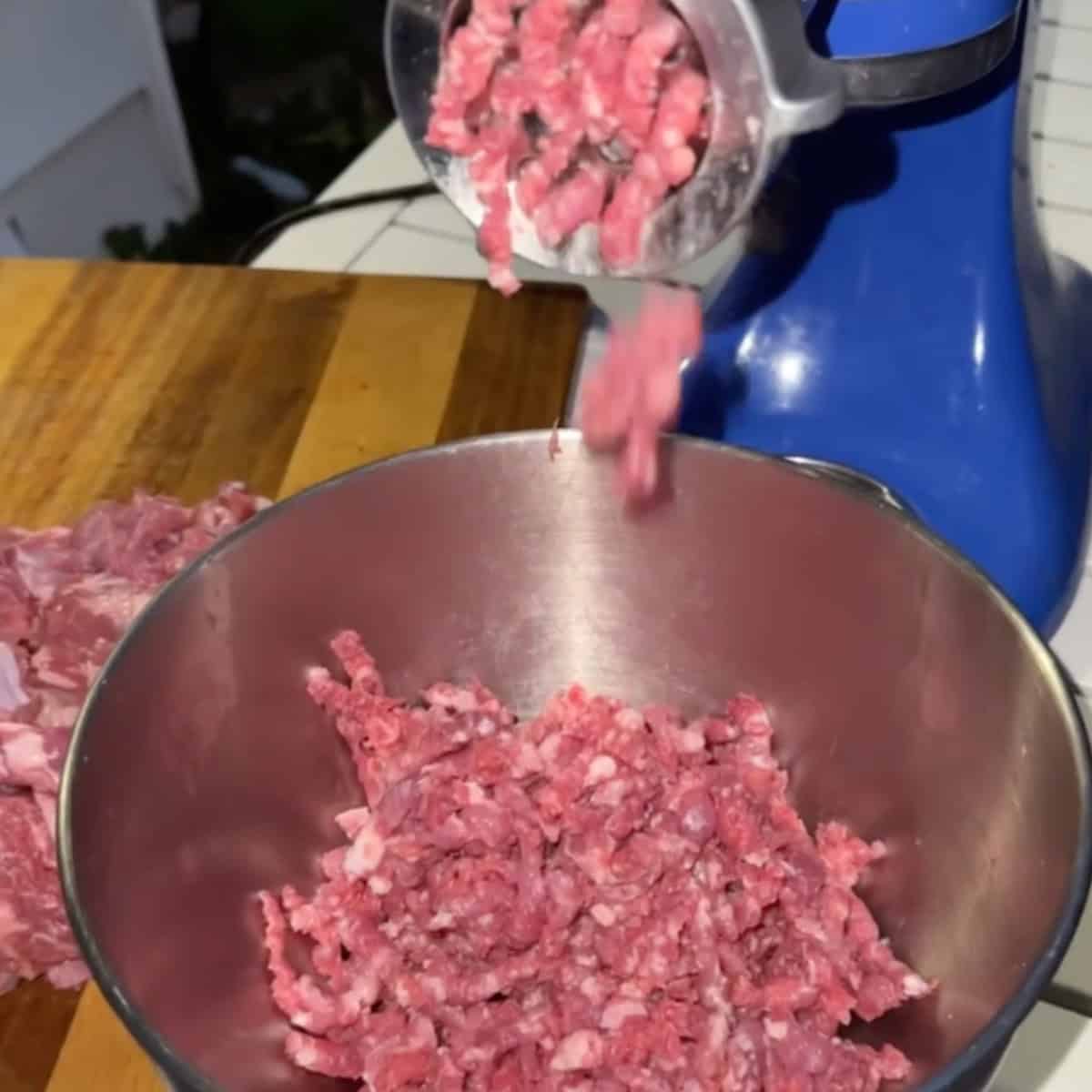
Begin by thoroughly mixing ground meat and grated onion until well combined. If available, use a meat grinder or the meat grinder attachment for a stand mixer to process the ground beef, lamb, and onion once, then continue mixing by hand.
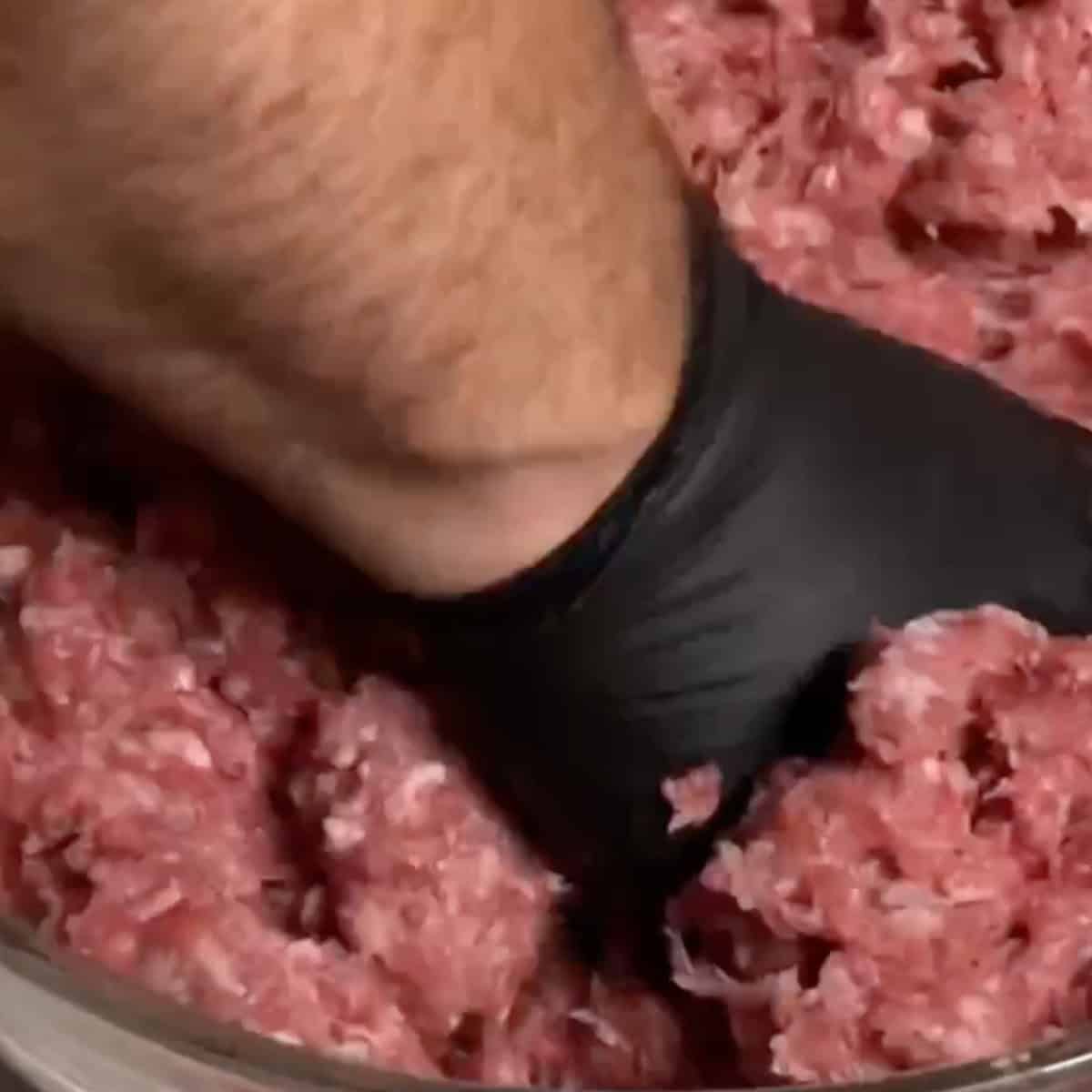
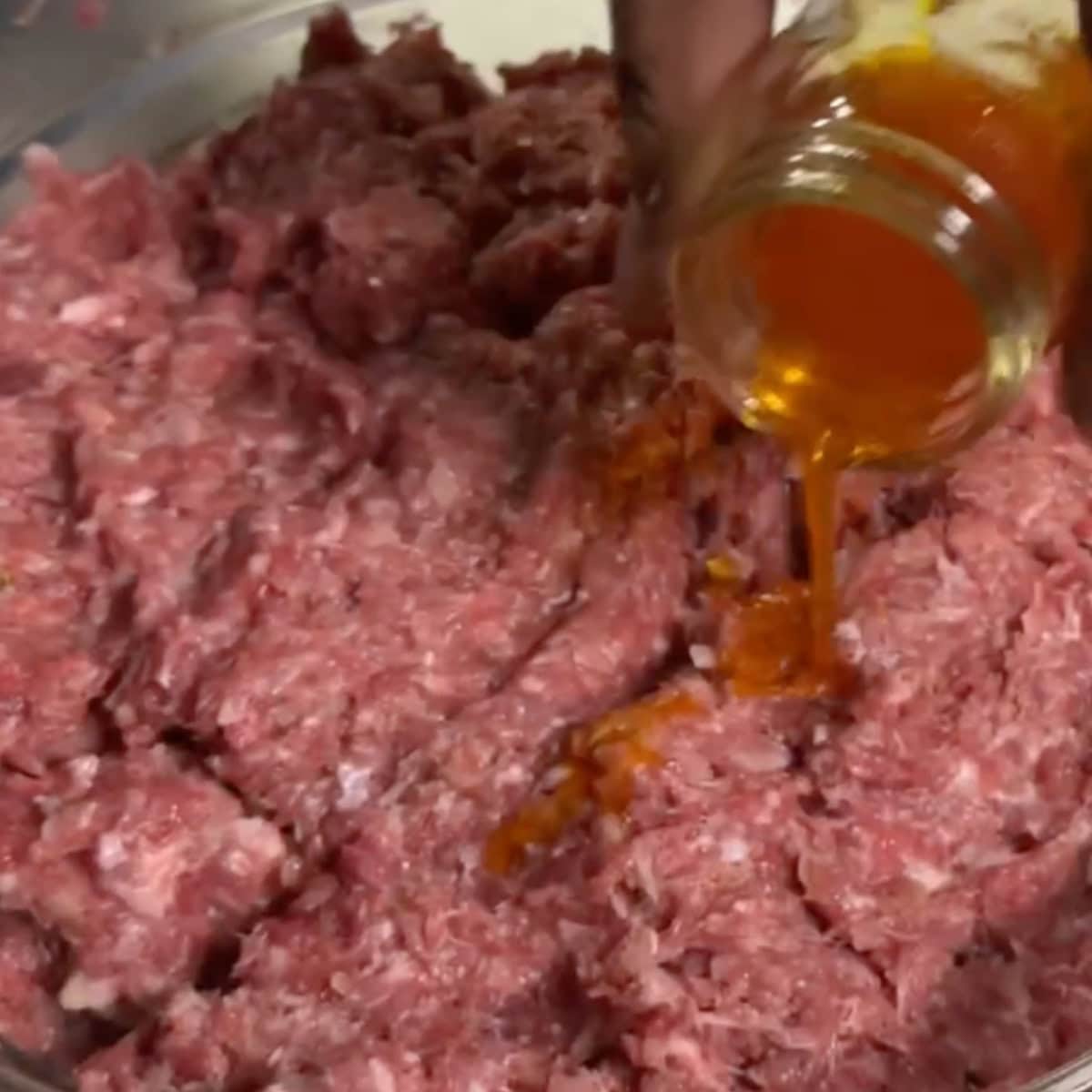
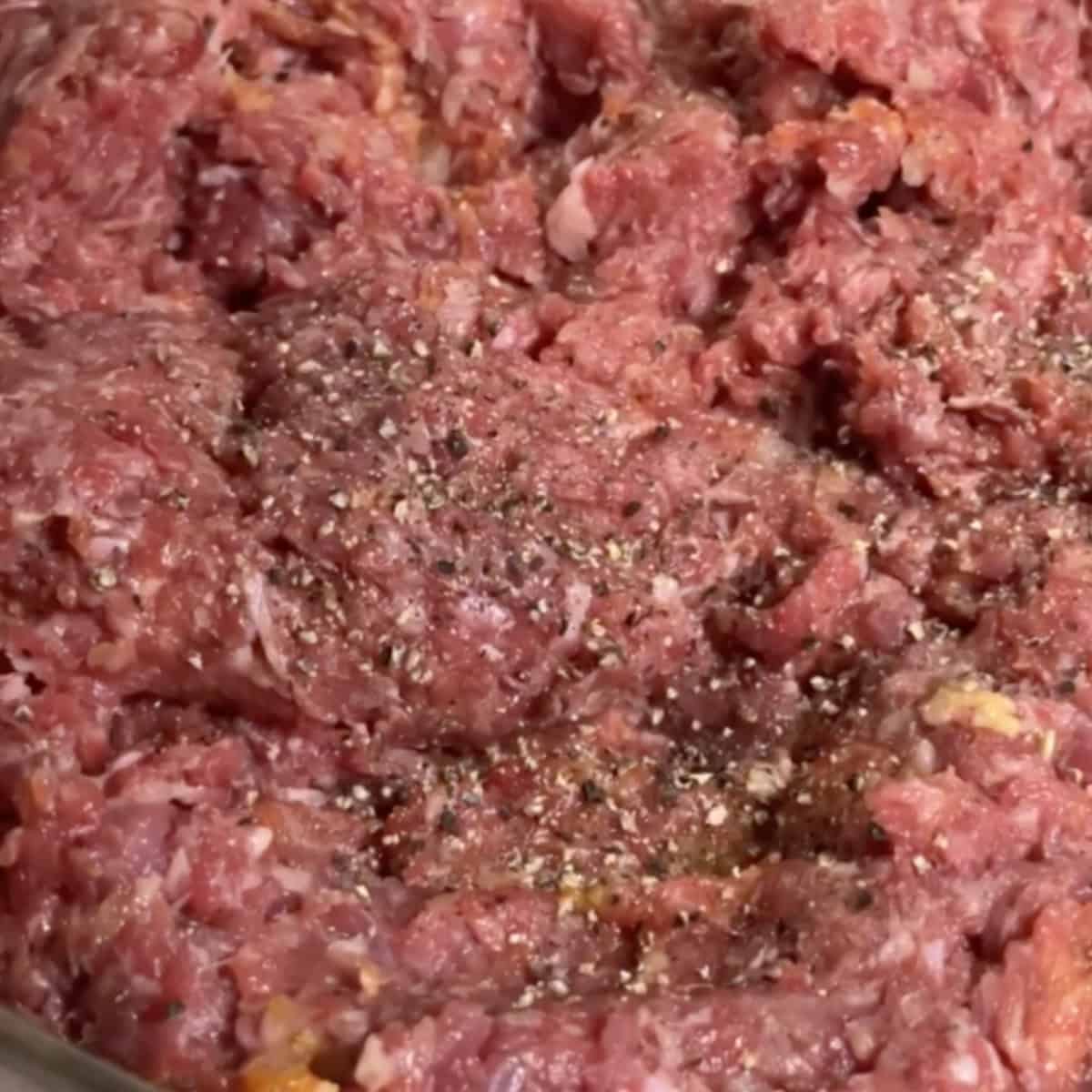
Add bloomed saffron, salt, and pepper to the meat and onion mixture. Knead the mixture by hand for an additional 10 minutes. Cover the mixture and refrigerate for one hour.
When ready to grill, remove the mixture from the fridge and keep a bowl of warm water nearby to prevent sticking. Take a handful of the mixture and shape it into an oval ball. Press the ball onto a 1-inch wide skewer. Wet your hands again and use your fingers to spread the meat along the skewer, forming a 6-inch long kebab with a thickness of ¼ to ½ inch on each side.
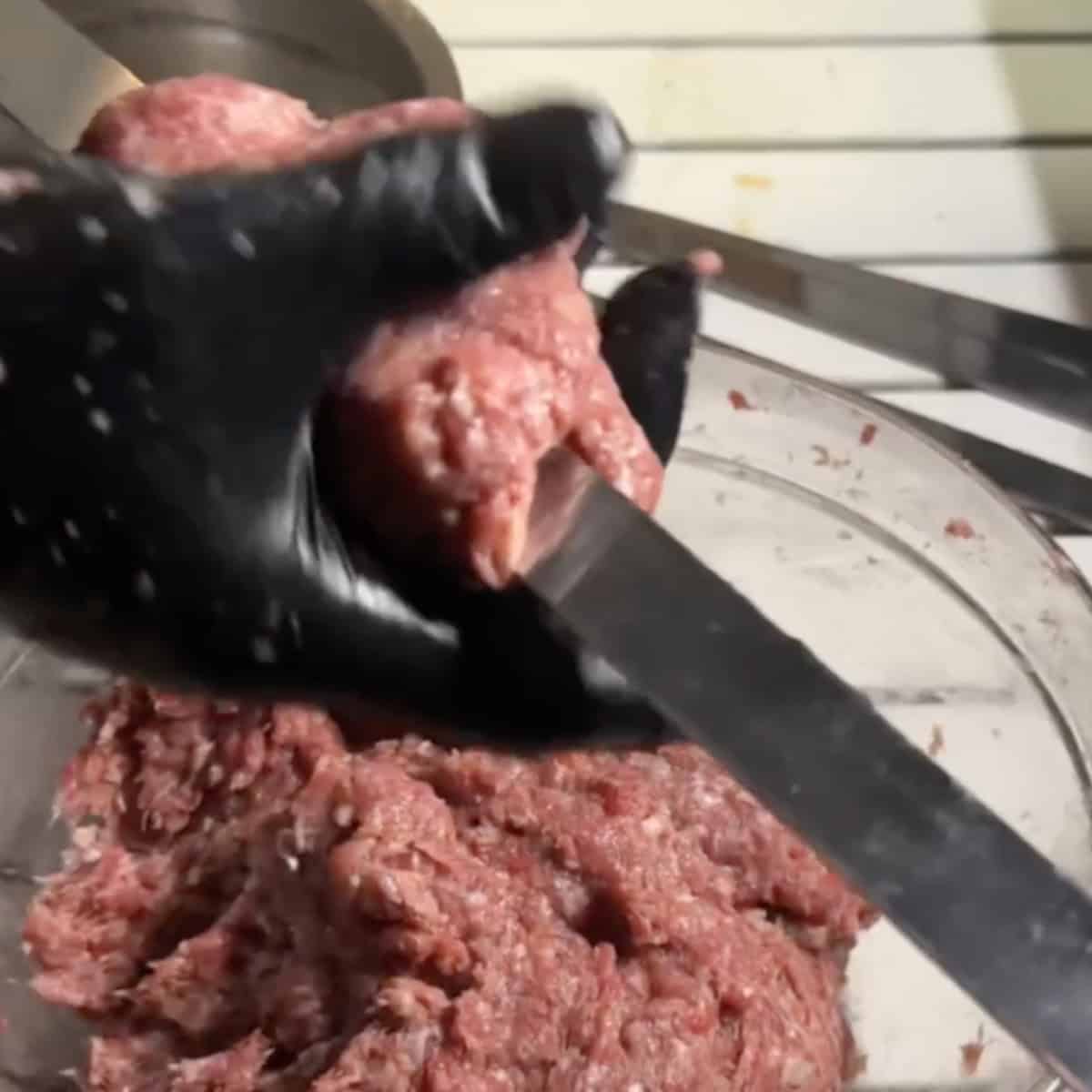
Create indentations from top to bottom using your thumb and index finger to ensure the meat sticks to the skewer. Using your index and middle finger, remove a small piece from each end of the meat on the skewer to secure it completely. Repeat these steps with the remaining meat and skewers until all kabobs are formed.
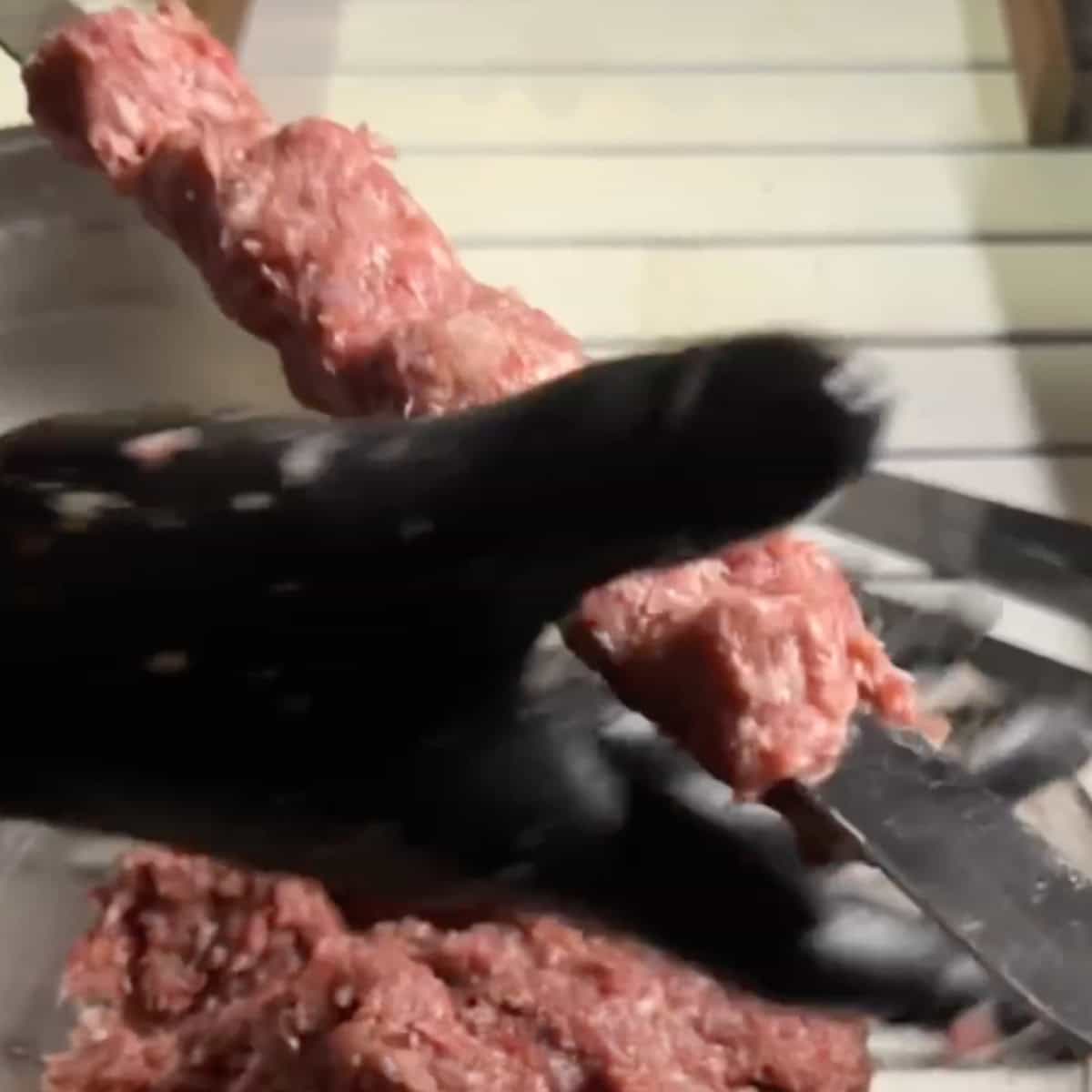
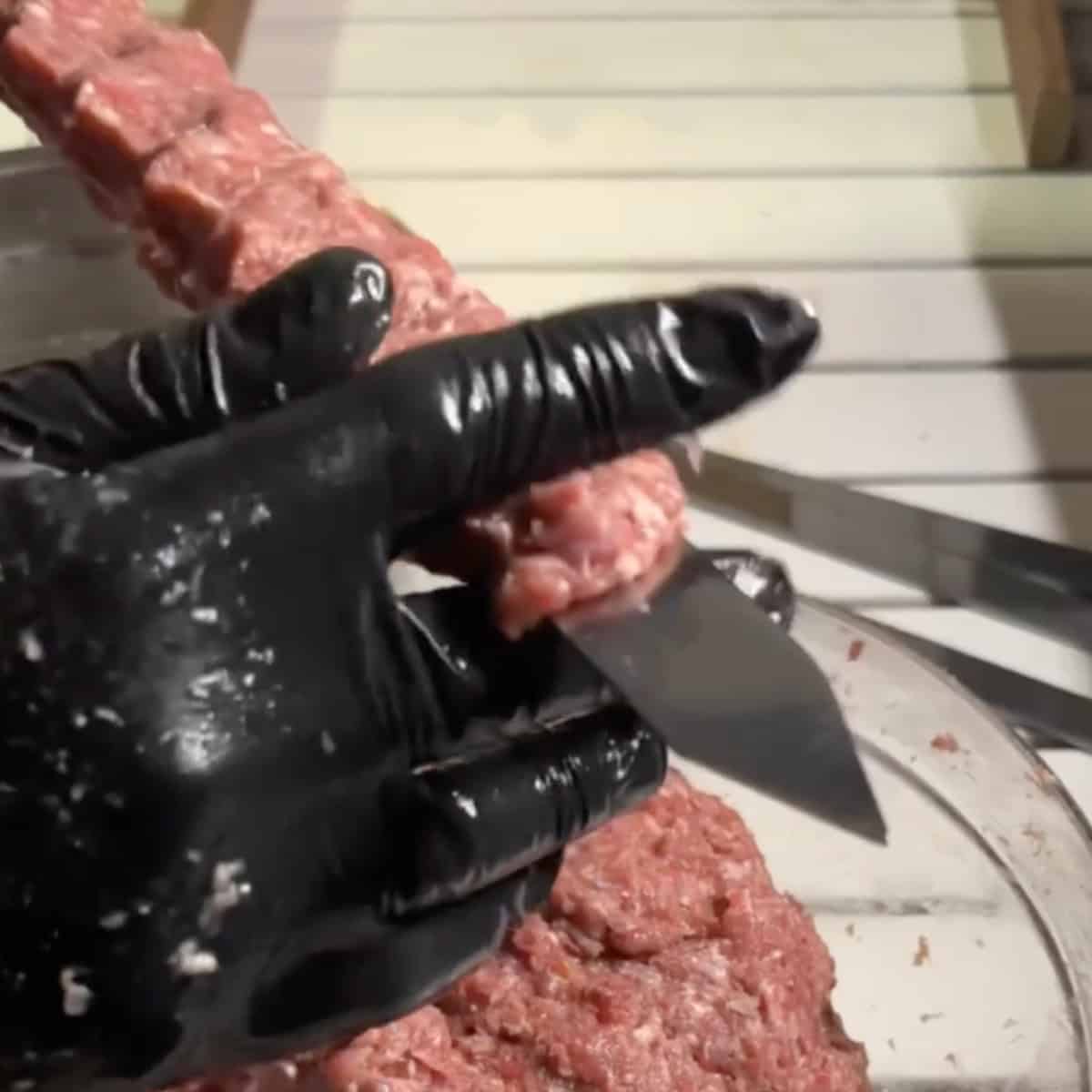
Arrange the prepared skewers on a rimmed baking sheet, ensuring the meat doesn’t touch the sheet. Thread tomatoes onto a separate skewer.
Preheat the grill until the charcoal is uniformly glowing and partially covered with ashes, or until the grill reaches a very high temperature to ensure the meat sticks to the skewers. Have a pot with a lid and some lavash nearby.
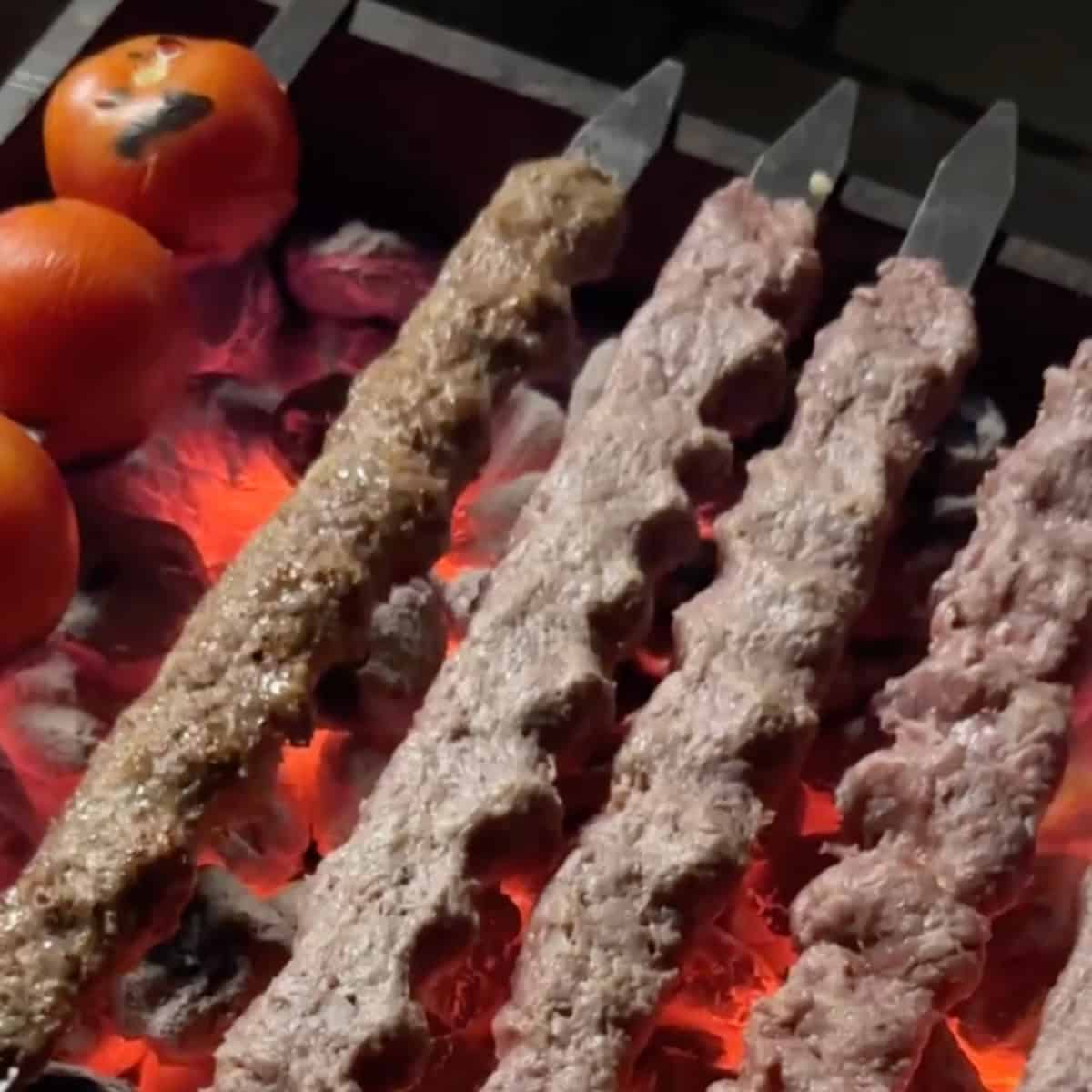
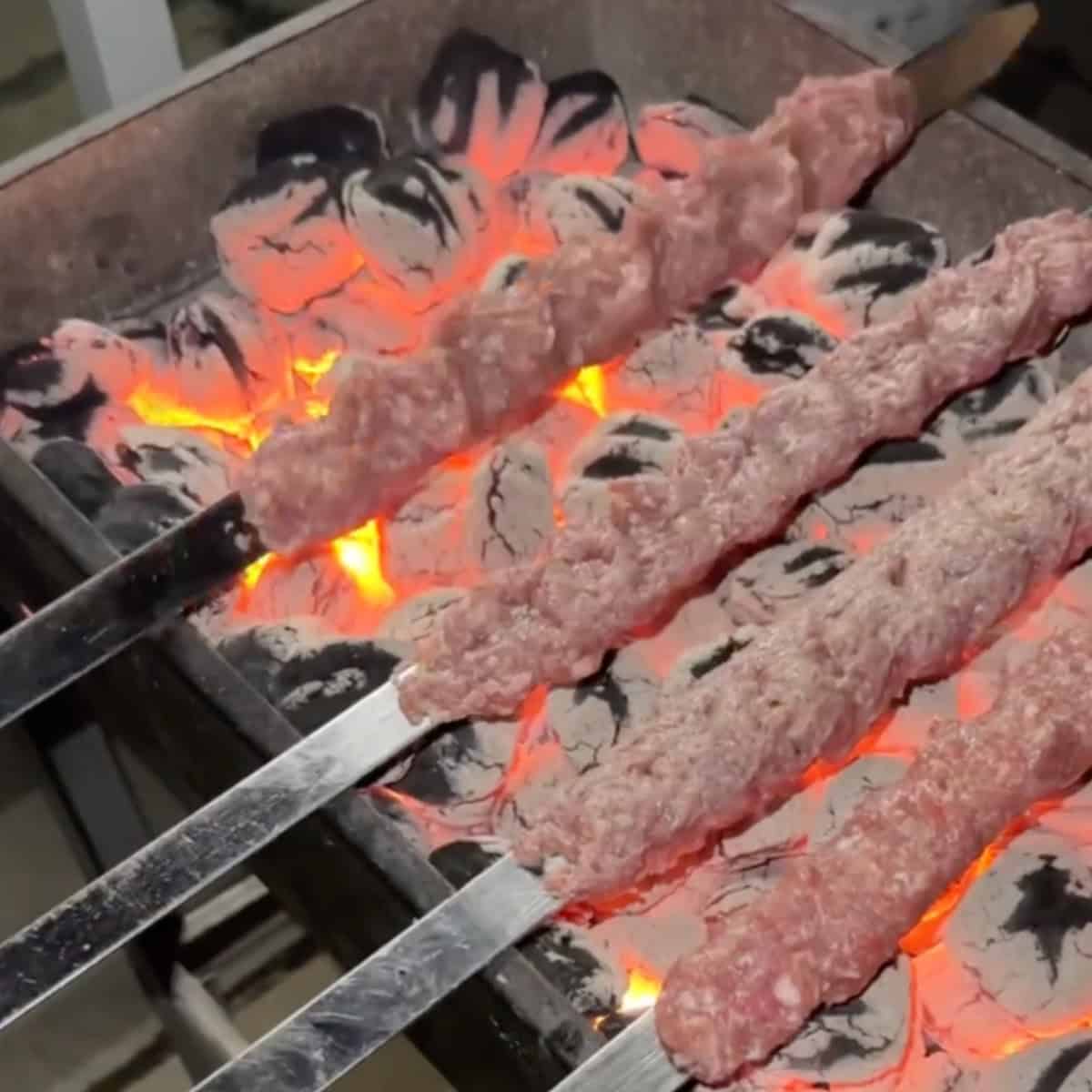
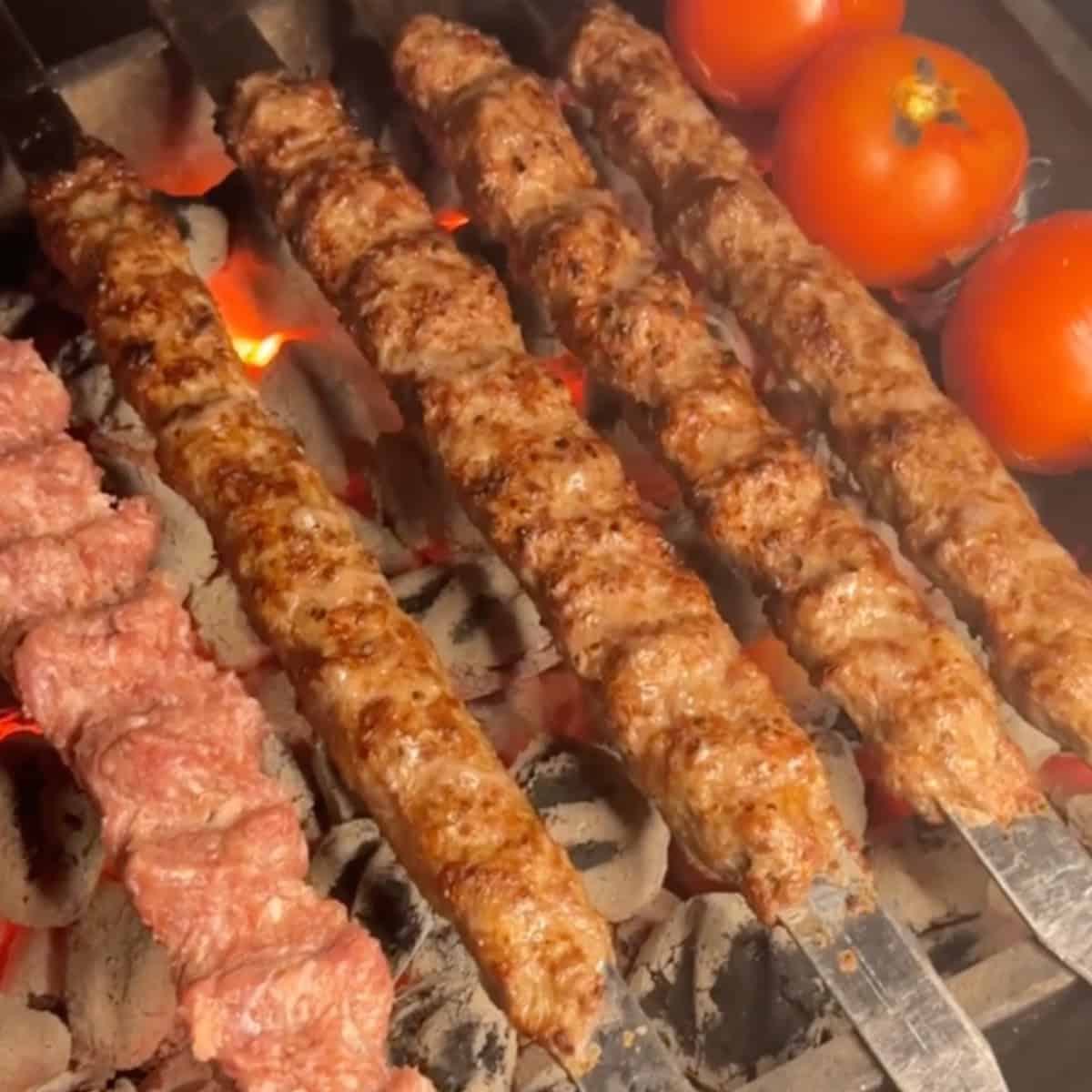
Once the grill is ready, place the skewers on the grill and continuously flip them to prevent the meat from falling off. Each kabob skewer should take about 3 to 4 minutes to cook, while the tomatoes will require approximately 15 minutes.
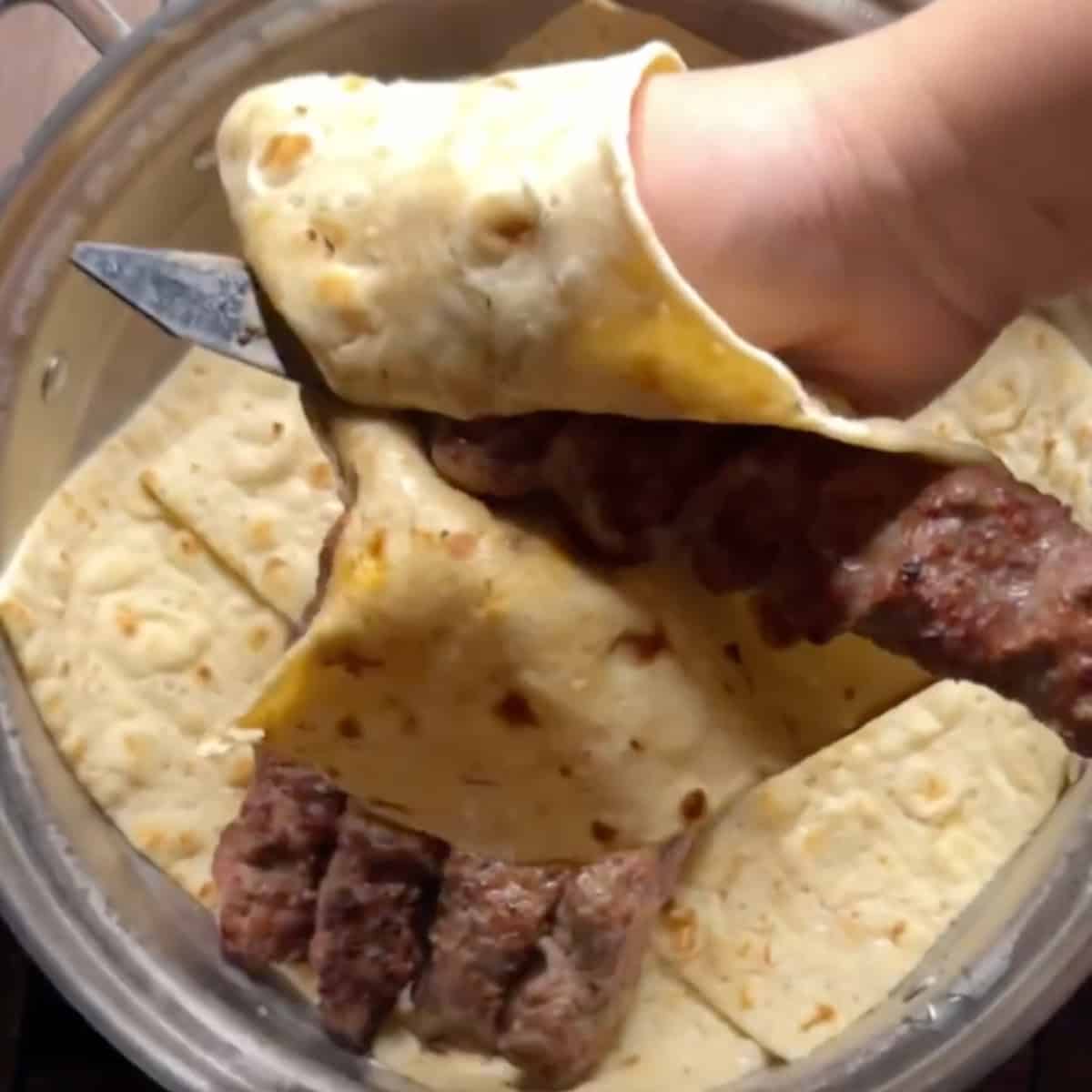
Using a piece of lavash, loosen both ends of the kabab from the skewer and slide it into the pot. Cover the pot with the lid to keep the kabobs warm while you continue grilling the rest.
How to Make Kabob Koobideh Without a Grill
No grill? You can make koobideh under your oven broiler with great results. Set your oven to broil on high and place the rack in the highest position. Lay your skewers across a rimmed baking sheet so the meat is elevated and not touching the pan. Broil for 4 to 5 minutes, flip, then broil for another 3 to 4 minutes until cooked through with some color on the outside.
The result won’t have the smoky char of a charcoal grill but the flavor and texture will still be excellent. For a stovetop option, my kabab tabei recipe was designed specifically for cooking Persian kabob in a pan at home.
Serving Suggestions
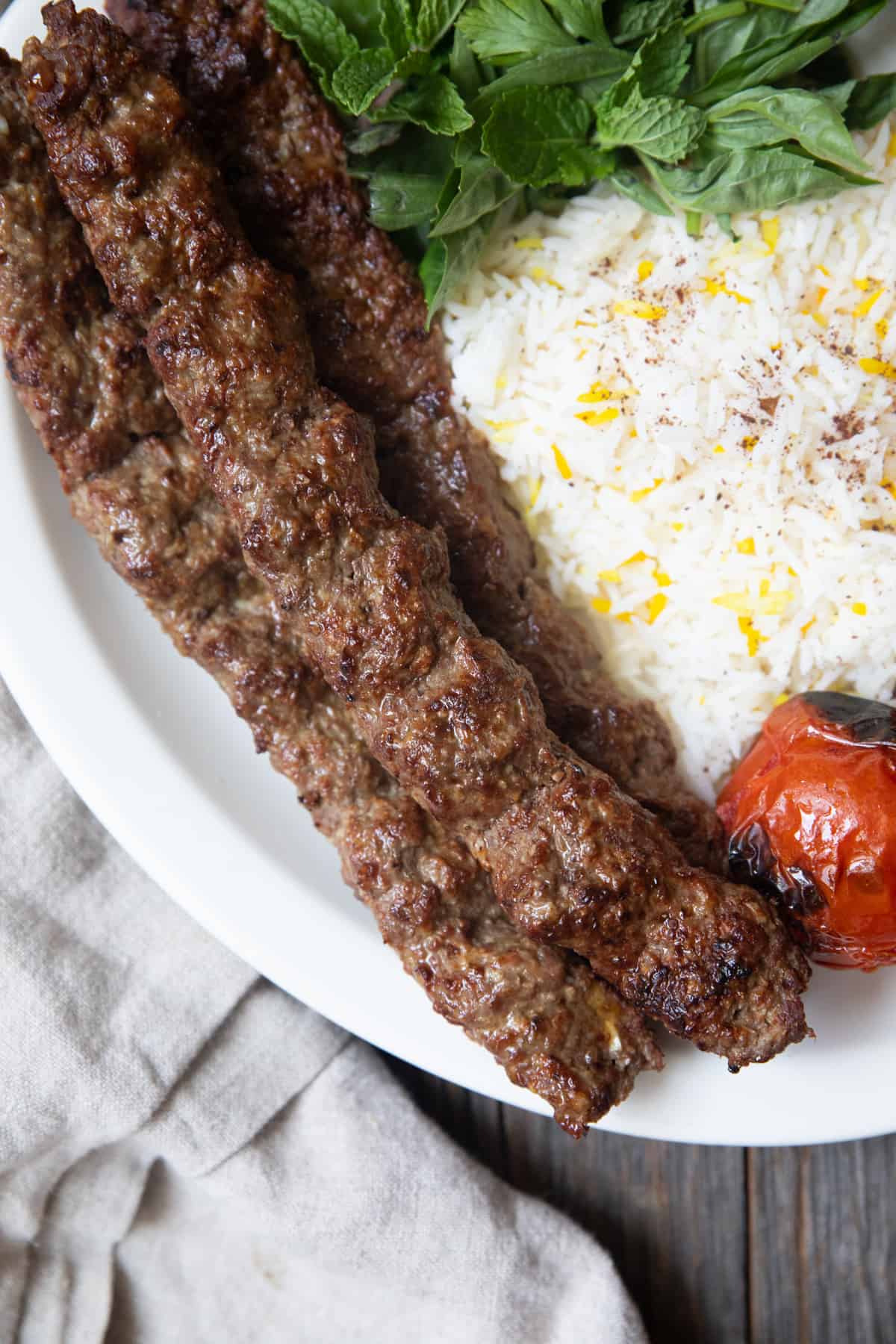
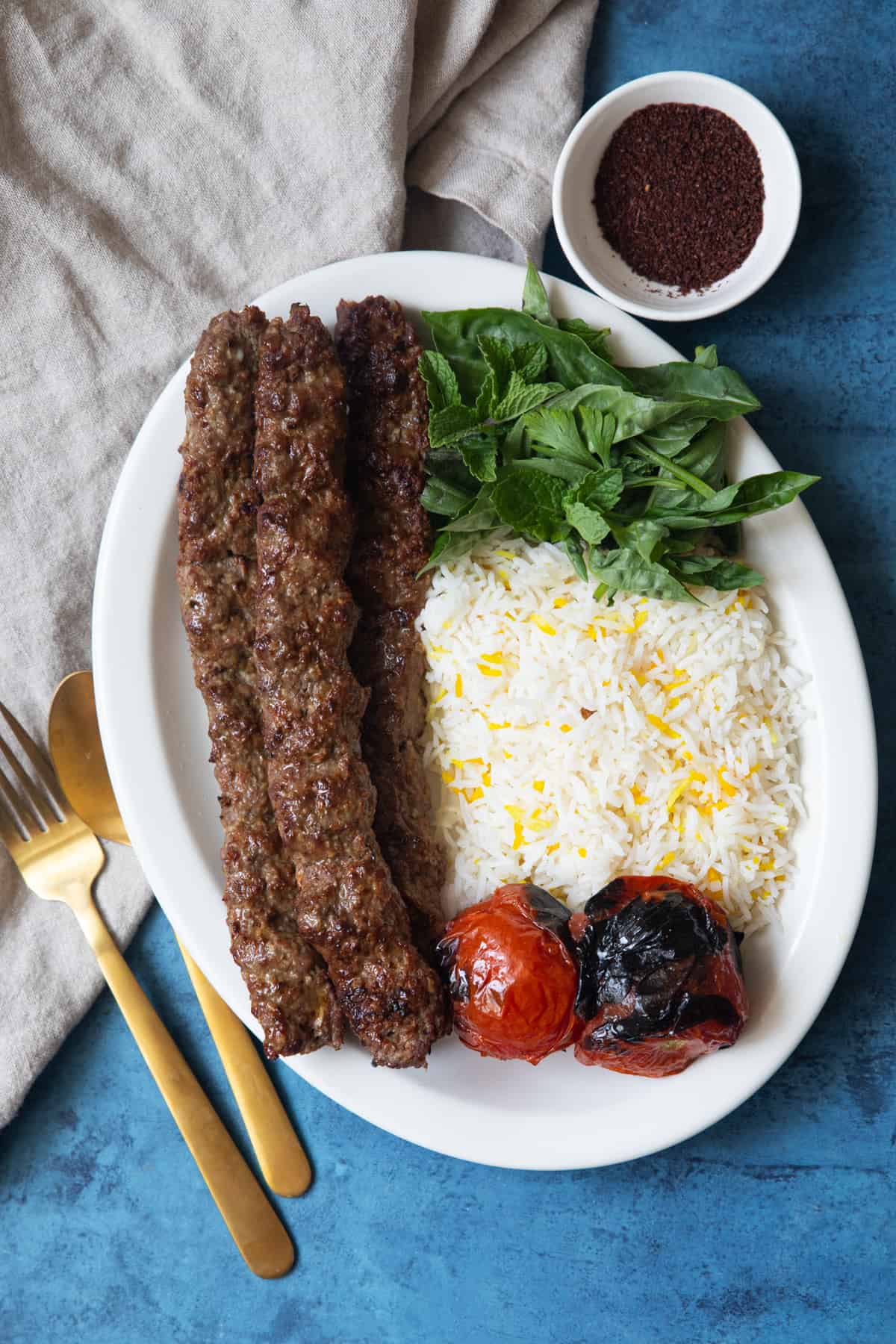
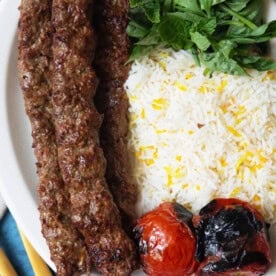
Traditionally, koobideh kabob is served with Persian rice with tahdig (chelow) and a generous sprinkle of sumac. You can find chelow kabab (rice and kabob) in many Iranian restaurants and it’s usually served with an egg yolk that you would mix into the hot rice. Alternatively, you can serve koobideh with saffron rice as well.
Every plate of koobideh is always accompanied by some grilled tomatoes and sabzi khordan (herbs) and mast o khiar (Persian yogurt and cucumber). It’s also common to have some mast-o khiar (yogurt and cucumber) and well as freshly baked lavash on the side.
How to Store and Reheat Kabob Koobideh
This Persian minced meat kabob is always best right off the grill, but if you have leftovers, you can store them in an airtight container and refrigerate for up to 3 days. To reheat, wrap them in aluminum foil or place them in a pan and cover the pan with aluminum foil. Then reheat in the oven at 300 degrees F for 10-15 minutes until fully warm.
Frequently Asked Questions
There could be a few reasons for this: first, the meat mixture may not have enough fat content. Second, the mixture may not be kneaded enough for it to have a paste-y consistency. It’s also possible that the skewers were not flipped constantly once they were placed on the grill.
Yes, you can use 100% ground beef. Just make sure it’s no leaner than 80% , otherwise the mixture won’t be sticky enough to hold on the skewer. The lamb adds richness and flavor though, so use it if you can.
You need flat, wide skewers that are at least 1 inch wide. Round skewers won’t work as the meat will spin and fall off. You can find flat Persian-style skewers at Middle Eastern grocery stores or online.
Koobideh cooks quickly, usually 3 to 4 minutes per side over high heat. It’s ready when the outside has some color and the meat feels firm when you press it gently. Avoid overcooking as it will dry out fast.
Yes, and it actually helps. You can prepare the meat mixture up to 24 hours in advance and keep it covered in the fridge. The resting time helps the flavors develop and makes the mixture easier to work with on the skewers.
Complete Persian Barbecue Spread
Persian Recipes
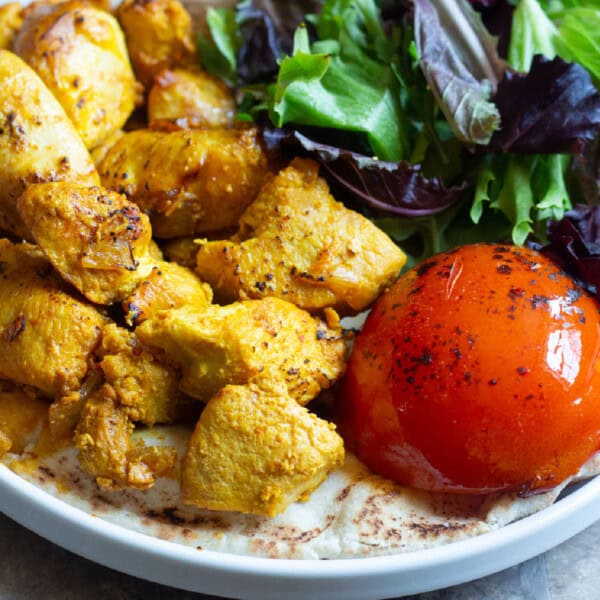
Joojeh Kabab (Persian Saffron Chicken Kebab)

Summer Recipes
Kabob Torsh – Persian Pomegranate Walnut Kabobs
Summer Recipes
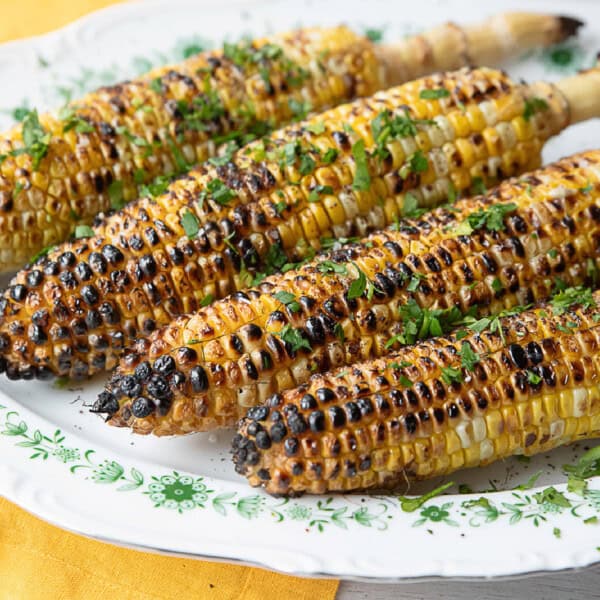
Grilled Corn on the Cob
Breads
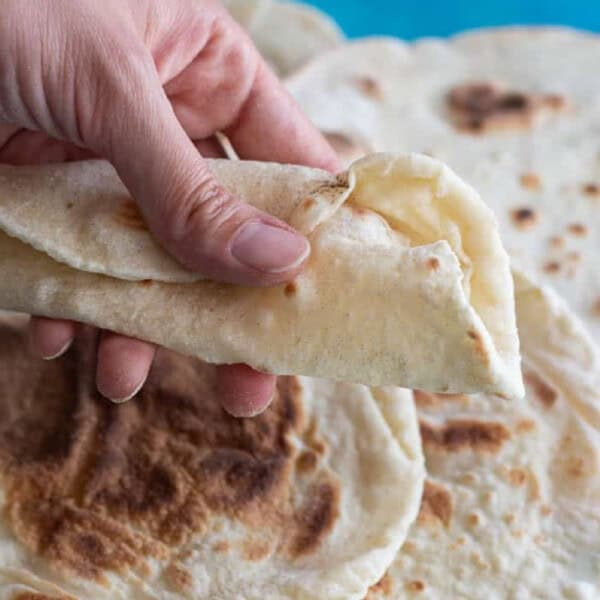
Easy Lavash Bread Recipe
Did you make this recipe? I’d love to hear about it! Please comment and leave a 5-star🌟 rating below. You can also follow us on Instagram, Facebook, Pinterest or subscribe to our newsletter to get a free e-Cookbook!
Kabob Koobideh Recipe
Video
Equipment
- Charcoal Grill Mangal
Ingredients
- 1/2 tsp ground saffron
- 1 1/2 lb ground lamb
- 1 1/2 lb ground beef , 80% lean
- 3/4 lb white onion , Weigh after grating and squeezing out the excess liquid
- 1 tbsp kosher salt
- 1 tsp black pepper
- 6 roma tomatoes
Instructions
- Sprinkle the ground saffron on 3 cubes and ice and leave it to melt at room temperature. This will be your bloomed saffron.
- In a large bowl, mix the lamb, beef and grated onion using your hands until all is very well combined. This would take about 15 minutes.
- Add in the salt, pepper and bloomed saffron, then knead again for at least 10 more minutes until the mixture is sticky with a paste-like consistency and very well combined. Cover and refrigerate for one hour.
- Once you're ready to grill, take the mixture out of the fridge and have a bowl of warm water close to you.
- Grab a fistful of the mixture and form it into an oval shaped ball and press it onto a 1-inch wide skewer. Wet your hands again and spread the meat on the skewers using your fingers until you have a 6 inch long kebab with about ¼ to ½ inch thickness on each side.
- Using your thumb and index finger, make indentations from top to bottom to ensure the meat is sticking to the skewer. Using your index and middle finger, remove a small piece of each end of the meat on the skewer to make sure it’s fully stuck to the skewer. Repeat with the remaining meat and skewers. Place all the prepared skewers on a rimmed baking sheet so the meat doesn’t touch the sheet. Thread the tomatoes on a skewer as well.
- This kabob is best on charcoal grill (mangal) where the skewers are set above the burning charcoal to cook with the heat. The kabobs should not touch the grates so if you cannot remove the grill grates, place two flat-sided metal pipes or a few bricks parallel to each other either side of the grill to have the skewers elevated.
- Preheat the grill. If using charcoal, make sure they're not smoking and are uniformly glowing, they should be partially covered with ashes. Your grill should be very hot for you to start grilling the kabobs.
- Have a pot and a lid and some lavash at hand. Once the grill is hot, place the skewers on the grill and constantly flip to make sure the meat doesn’t fall off. It takes about 3 to 4 minutes for each koobideh to be ready. The tomato will take about 10 to 15 minutes.
- Using a piece of lavash, loosen both ends of the kabab on the skewer and slide it into the pot. Cover with the lid so it doesn’t get cold while you’re grilling the rest.
- Serve kabob koobideh with rice, grilled tomatoes and herbs.
Notes
- It’s important that the ground beef is no leaner than 80% for the kabob mixture to be sticky enough.
- If desired, brush the kabob koobideh with some melted butter and saffron right before removing from the grill.
- You should flip and rotate the kabobs immediately after putting them on the grill and constantly do so. This way the meat will cook evenly and won’t fall off the skewers.
- Watch the video for complete tutorial on how to make, form and grill kabob koobideh.
Nutrition
Nutrition information is automatically calculated, so should only be used as an approximation.










I absolutely loved reading this — you describe koobideh exactly the way we make it in Iran!
I’ve recently been researching how Persian restaurants maintain that perfect shape and tenderness when cooking hundreds of skewers a day. It turns out many kitchens in Iran now use PooyaSanat’s automatic koobideh kebab maker machines, which replicate the same hand-pressed texture with precision and hygiene.
It’s amazing how technology can preserve traditional flavor while improving consistency.
Has anyone here seen these machines in restaurants outside Iran
Truly delicious recipe, poppy flavors and I love the addition of bloomed saffron! Adding this to my recipe box, will be making it again soon! Thank you!
Wow these kabobs are so juicy! I love how tender these kebob are and even my daughter loved them!