Fatayer (Spinach and Cheese Hand Pies)

Sep 02, 2024, Updated Jun 23, 2026
This post may contain affiliate links.


Fatayer are Middle Eastern savory hand pies made with a soft homemade dough and filled with either a tangy spinach and sumac mixture or a blend of cheese.

They are vegetarian, freezer friendly, and make about 20 pieces which would be enough for a family brunch, a mezze spread, or a batch to keep in the freezer for busy weeks when you need something satisfying with minimal effort.
The dough comes together in a stand mixer or by hand, takes one hour to rise, and is easy enough for a beginner to work with on their first try!
Why I Keep Making Fatayer On Repeat
I first had fatayer at a Mediterranean bakery in the US, then again at a bakery in Dubai where the counter was piled with trays of sweet and savory pastries of every kind.
I’ve been making them at home for the last six or seven years, and they’ve become one of those recipes I reach for constantly, for weekend brunch, for gatherings, and for weeks when I want something ready in the fridge that everyone can grab without me needing to cook again.
Between the two fillings, spinach is my personal favorite. The sumac gives it a sourness that I find completely addictive, and it pairs well with the soft dough. However, I always make both when I have people over because the cheese fatayer disappears just as fast.

What is Fatayer?
Fatayer are savory pastries eaten across the Levant and wider Middle East, including Lebanon, Syria, Jordan, Palestine and Egypt. The word refers to the pastry itself rather than any specific filling, fatayer can be stuffed with spinach, cheese, or spiced meat depending on the region and the cook.
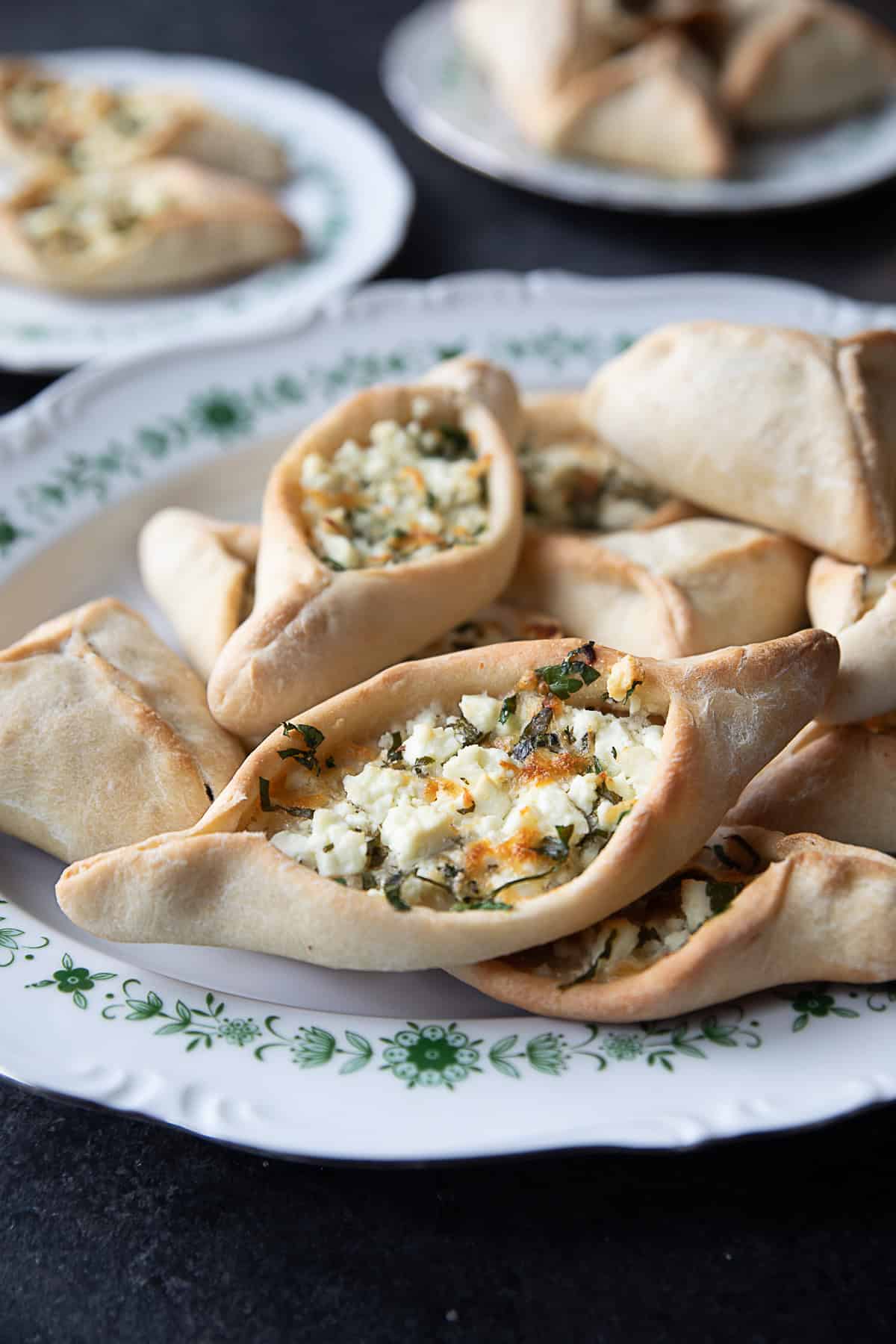
In Lebanese bakeries you’ll typically find them in two shapes: triangles for the spinach filling and boat shapes for the cheese. They are eaten for breakfast, as a snack, as part of a mezze spread, and during Ramadan. This recipe covers both the spinach and cheese versions using one simple dough.
Ingredients

For the dough:
All-purpose flour: The base of a soft, pliable dough that’s easy to shape.
Instant yeast: No proofing needed, which simplifies the process. Make sure it hasn’t expired or the dough won’t rise.
Olive oil: Gives the dough its softness and a subtle richness. Don’t skip it or reduce it.
Warm water: Should be warm to the touch, around 110F. Too hot kills the yeast; too cold and the dough won’t rise properly.
Salt and sugar: Salt strengthens the gluten structure. Sugar feeds the yeast and helps the dough rise evenly.
For the spinach filling:
Frozen spinach: This is non-negotiable. Fresh spinach releases its juice during baking and makes the bottom of the fatayer wet and soft. If you cook fresh spinach first to remove moisture, the volume decreases dramatically and you end up with barely any filling. Frozen spinach lets you squeeze out all the excess liquid before mixing, giving you a dry, concentrated filling that holds up perfectly inside the dough. Thaw completely and squeeze as hard as you can before using.
Sumac: The ingredient that makes spinach fatayer special. It adds a tangy, citrusy depth that no other spice replicates here. Don’t substitute with lemon juice alone, it adds moisture, which is exactly what you don’t want in this filling.
Onion: Finely diced. The smaller the better so it blends evenly into the filling.
Lemon juice: A small amount to brighten the filling. Just enough to complement the sumac without adding too much liquid.
Olive oil, salt, black pepper: Round out the filling and keep it moist without making it wet.
For the cheese filling:
Mozzarella: Shred it yourself from a block. Pre-shredded mozzarella contains added starches that affect how it melts inside the pastry.
Feta: Use feta in brine for a creamier, more flavorful filling. The saltiness of feta means this filling needs no additional seasoning.
Parsley: Fresh only. It adds brightness that balances the richness of the two cheeses.
How To Make Fatayer
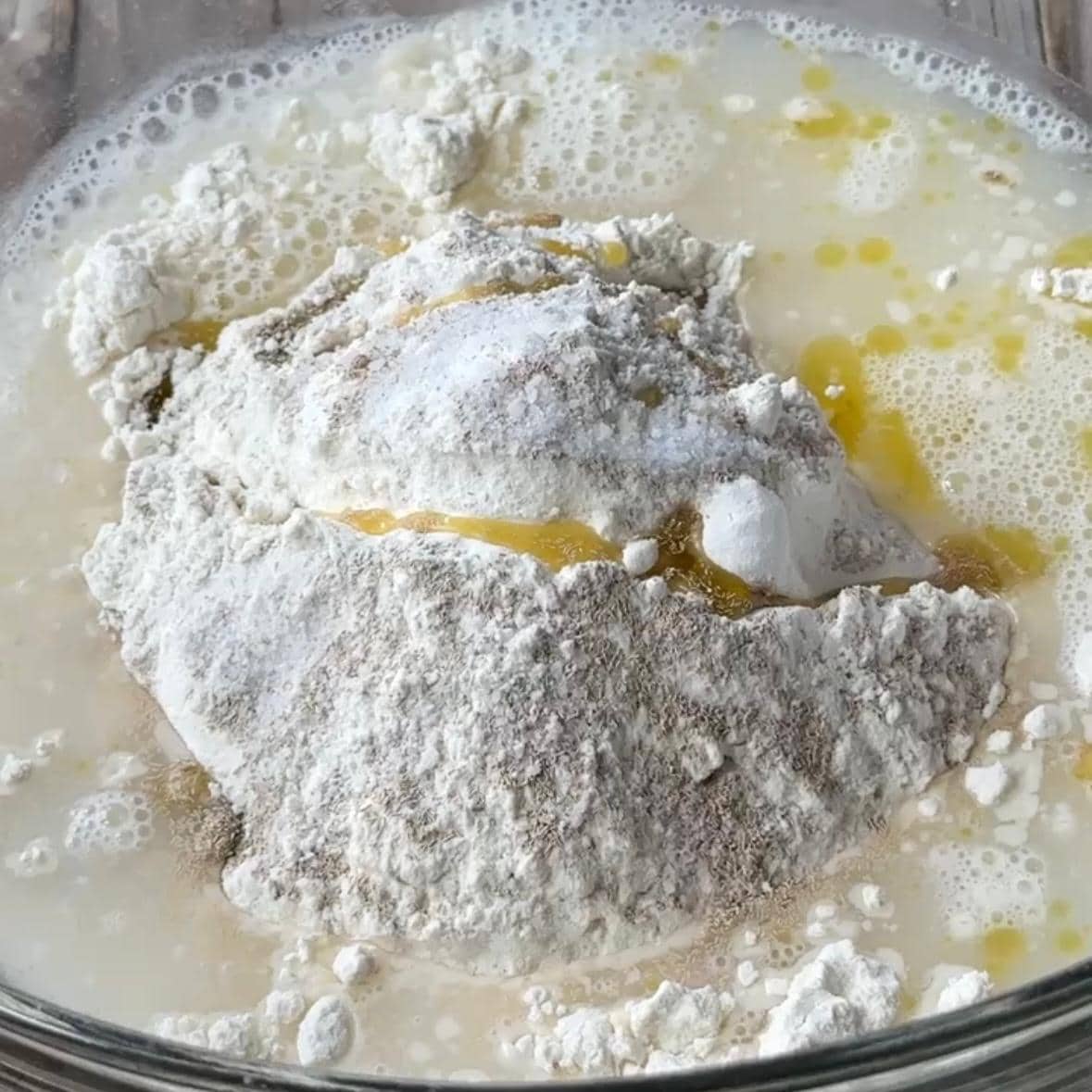
Mix flour, instant yeast, salt, sugar, olive oil and warm water in a bowl.
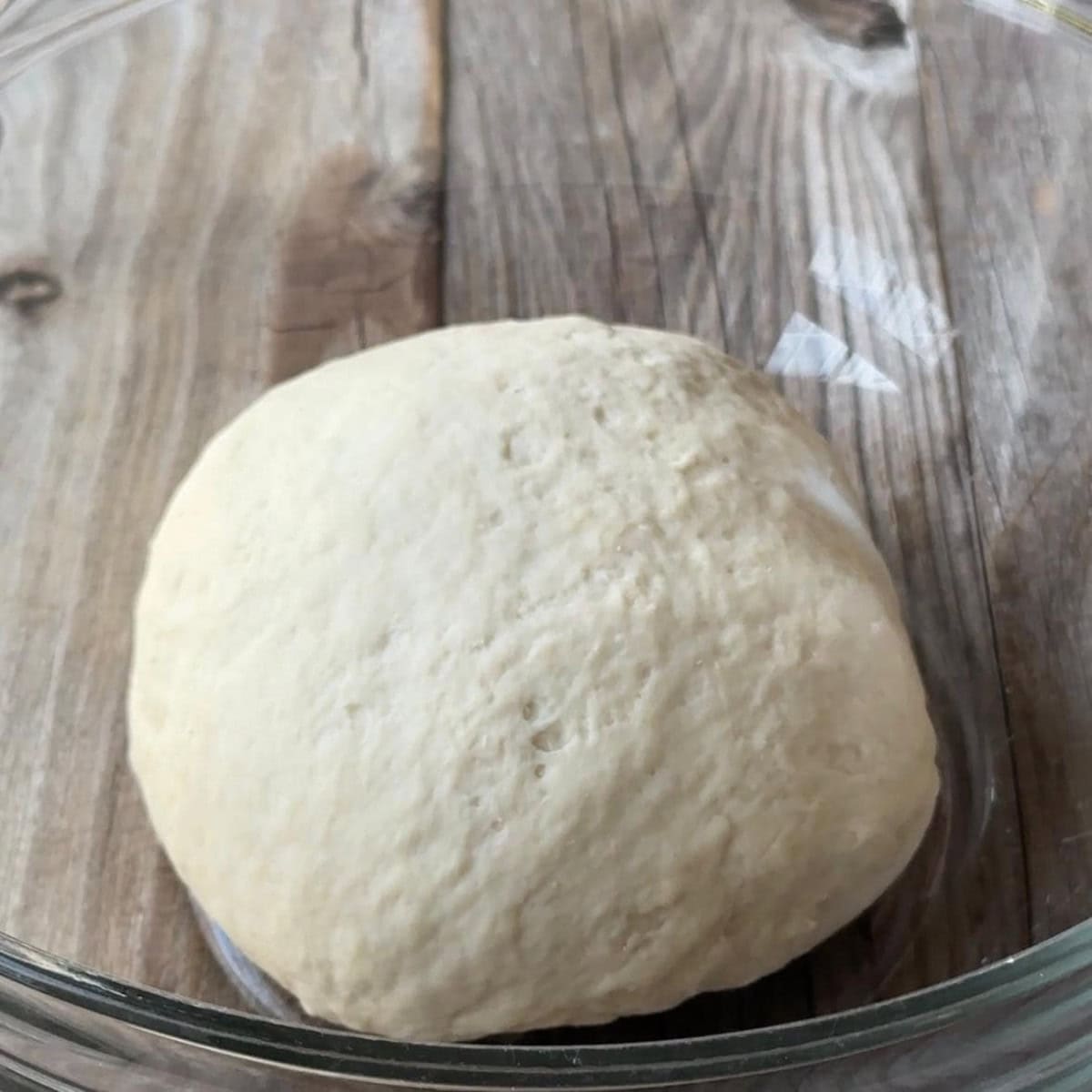
Knead until the dough comes together and is smooth.
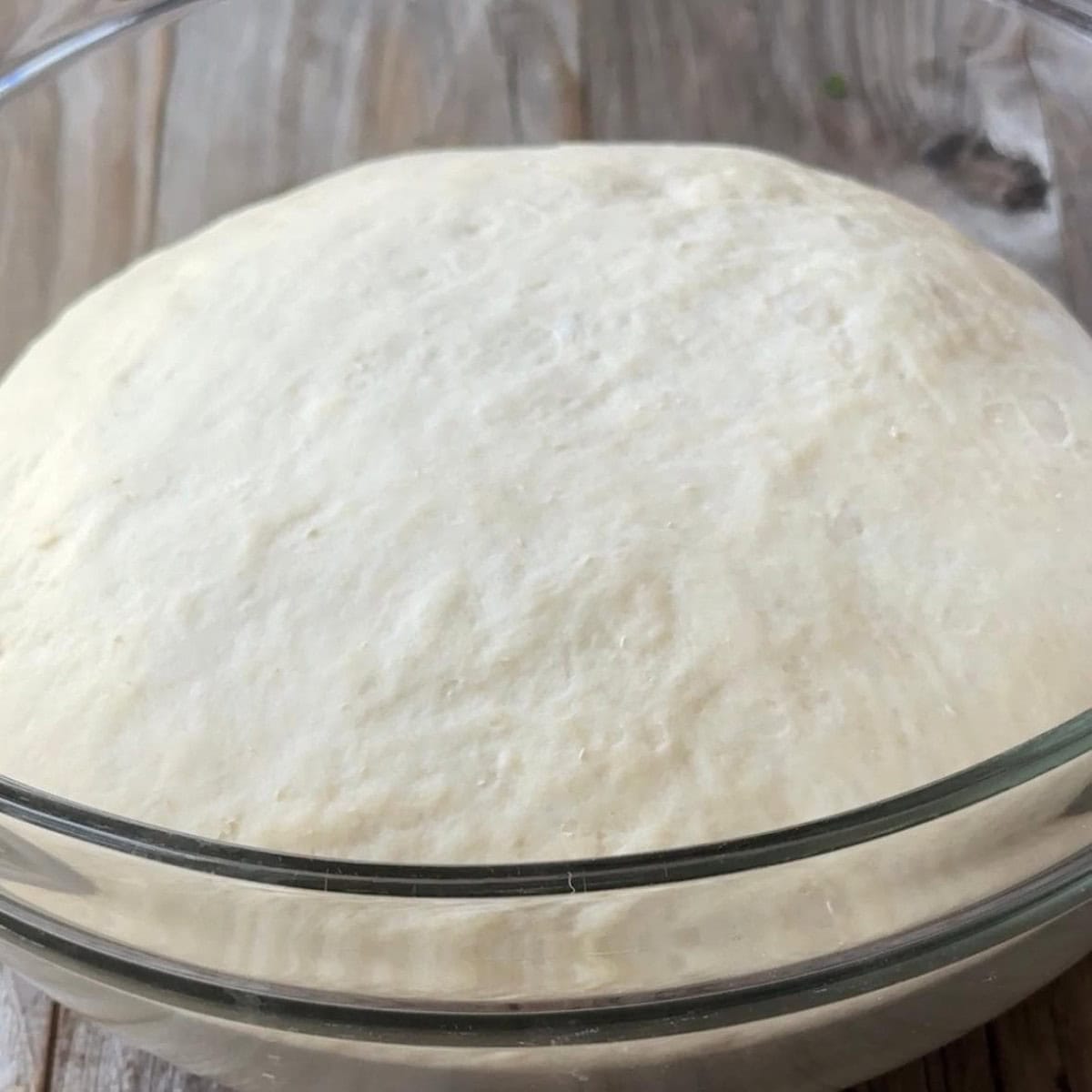
Cover and let the dough rise for 1 hour until doubled in size.
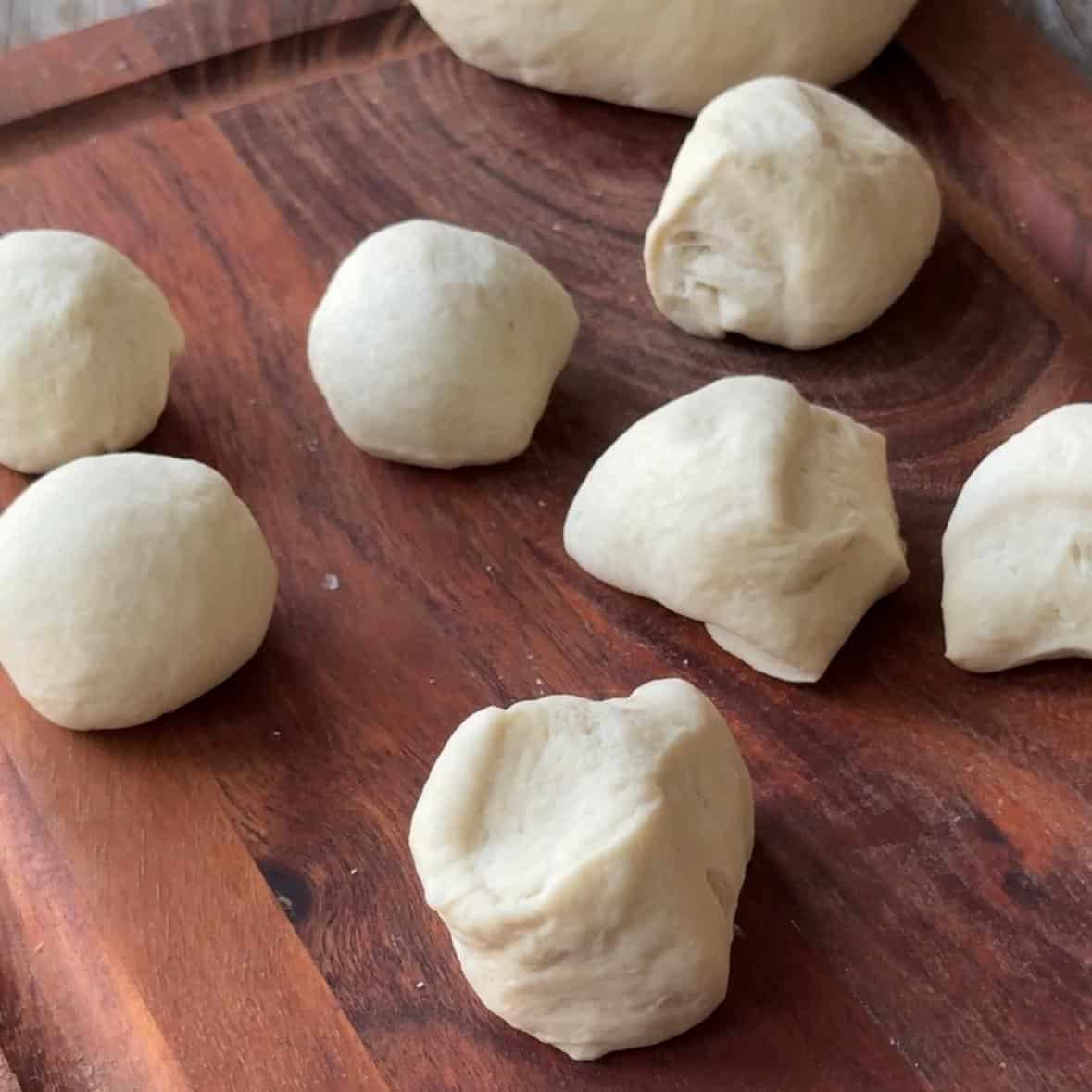
Divide into 20 pieces and let the dough balls rise for 30 minutes.
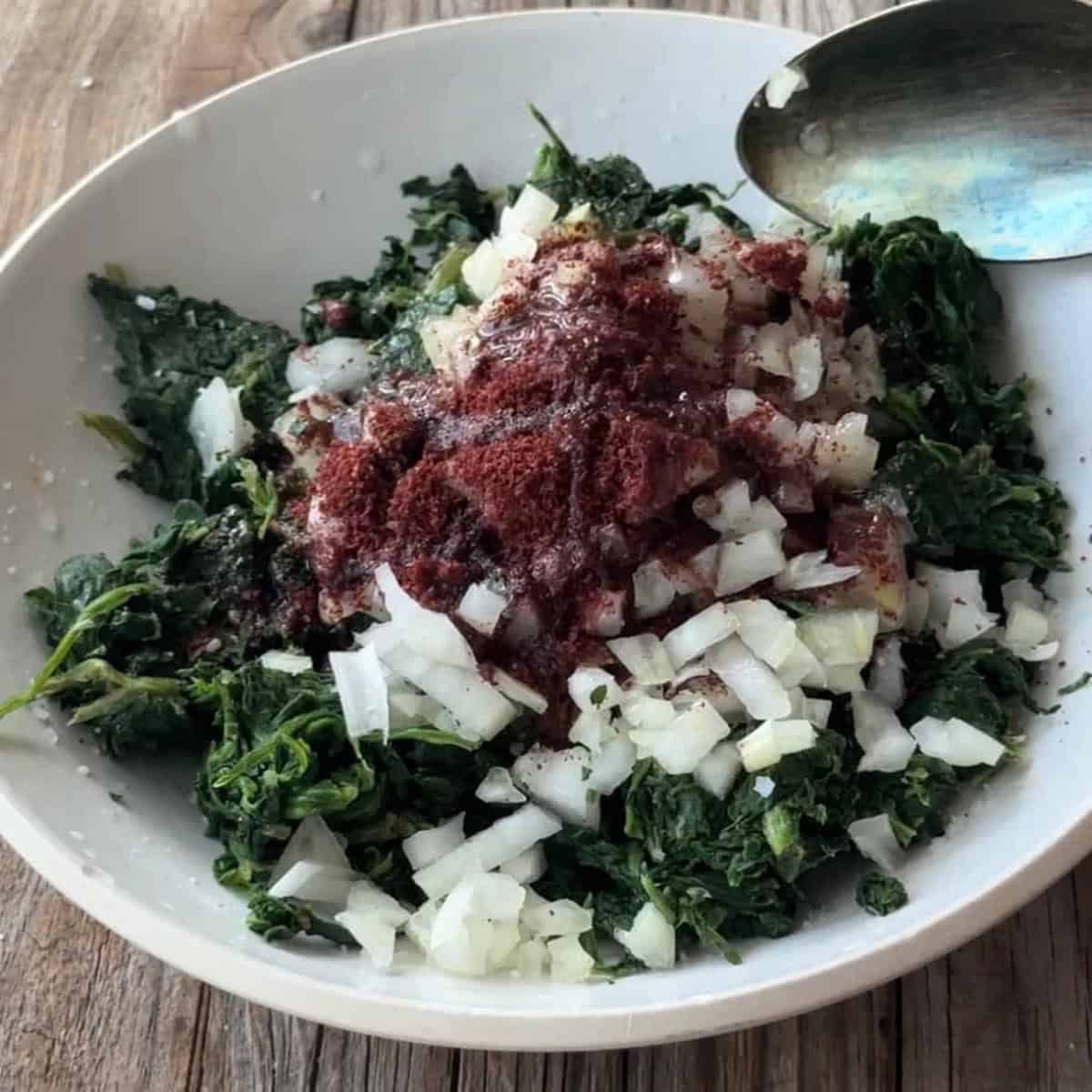
Squeeze out excess water from the spinach, and mix with onion, sumac, olive oil and lemon juice.

To make the cheese filling, combine mozzarella, feta and parsley in a bowl.

Shape and fill the fatayer with both spinach and cheese fillings.

Bake in the oven at 435 degrees F for 15 minutes until golden.
Tips To Make Fatayer
- Squeeze the spinach until your hands hurt, then squeeze again! Excess moisture is the number one reason fatayer turn out soggy on the bottom. Frozen spinach is far easier to work with than fresh for this reason, you can squeeze every last drop of liquid out before it goes into the dough.
- Be generous when pinching the seams. When forming the triangle, grab slightly more dough than feels necessary. This creates a thick, secure seal that holds even if the bottom loosens slightly during baking. A thin pinch opens in the oven.
- Don’t rush the second rise. The 30-minute rest after dividing the dough makes rolling significantly easier. Dough that hasn’t rested will spring back every time you try to roll it out.
- Reheat in the oven, not the microwave. A few minutes at 350 degrees F restores the texture completely. Microwaving makes the dough chewy and soft.
How to Serve Fatayer
Fatayer work as a snack, a brunch dish, or part of a mezze spread. At home I serve them alongside hummus and labneh for dipping, or as part of a larger spread with tabbouleh salad and fattoush. They also pair naturally with a cup of mint tea, which is how you’d find them served at a Lebanese bakery.

Frequently Asked Questions
I strongly recommend against it. Fresh spinach releases significant liquid during baking which makes the bottom of the fatayer wet and soft. Cooking it first removes some moisture but the volume decreases so dramatically you end up with very little filling. Frozen spinach, fully thawed and thoroughly squeezed, gives you the right texture and the right amount every time.
The most common reason is a thin or weak pinch at the seams. When shaping, grab more dough than feels necessary when pinching the edges together. A generous seal holds even if the bottom loosens slightly during baking.
Yes, both before and after baking. Unbaked is the better option — assemble, freeze on a lined sheet until solid, then transfer to a bag and bake directly from frozen adding 3 to 5 extra minutes. Already baked fatayer keep in the freezer for up to 3 months. Reheat in the oven at 350F for 10 to 15 minutes.
Definitely! You can prepare fatayer in advance. Assemble them, freeze them before baking, and then bake them directly from the freezer. Alternatively, bake fatayer and store them in an airtight container for up to 3 days.
More Middle Eastern Pastry and Bread Recipes



Did you make this recipe? I’d love to hear about it! Please comment and leave a 5-star🌟 rating below. You can also follow us on Instagram, Facebook, Pinterest or subscribe to our newsletter to get a free e-Cookbook!

Fatayer (Middle Eastern Spinach and Cheese Hand Pies)
Video
Ingredients
For The Dough
- 3¾ cups all-purpose flour
- 1½ teaspoons instant yeast
- ½ teaspoon Kosher salt
- ½ teaspoon granulated sugar
- 4 tablespoons olive oil
- 1 cup warm water
For The Spinach Filling
- 1 pound frozen spinach, thawed
- 1 medium onion, finely diced
- 2 tablespoons olive oil
- 2 tablespoons sumac
- 1 teaspoon Kosher salt
- ¼ teaspoon black pepper
- 1 tablespoon lemon juice
For The Cheese Filling
- 1 cup shredded mozzarella
- 1 cup feta crumbled
- ½ cup chopped parsley
Instructions
Dough Preparation
- In a bowl add the all purpose flour, instant yeast. salt, sugar, olive oil and water. Mix until the dough comes together. Transfer to a floured surface
- Knead until the dough is smooth, elastic, and doesn’t stick to your hands. If the dough is too sticky, add a little more flour, one tablespoon at a time. alternatively, you can use a stand mixer to make the dough.
- Place the dough in a lightly oiled bowl, and cover it with plastic wrap and a kitchen towel.
- Let it rise in a warm, draft-free area until it doubles in size, about 1 hour. This first rise is crucial for a light and airy texture.
Fillings Preparation
- Spinach Filling: Thoroughly squeeze out any excess water from the thawed spinach to prevent a soggy filling. Mix with finely diced onions, olive oil, sumac, kosher salt, black pepper, and lemon juice until well combined.
- Cheese Filling: In a bowl, combine shredded mozzarella, crumbled feta, and chopped parsley. Ensure the cheeses are well mixed for even distribution in each pastry.
Shaping the Fatayer
- After the first rise, deflate the dough, transfer it onto a floured surface, and sprinkle some flour on top as well.
- Divide it into equal portions, usually about 20 pieces, and shape each into a ball. Cover with a kitchen towel and let the dough balls rise for another 30 minutes.
- To make the spinach fatayer: Roll out a piece of dough into a 4-inch circle. Place 1 to 1 ½ tablespoon spinach filling in the middle. Bring the two sides together and pinch then bring the final side up and pinch to form a triangle.
- To make cheese fatayer: Roll out the dough to an oval shape and top with 1 tablespoon cheese filling. Then, bring the sides together for the pastry to look like a boat.
Baking
- Before you start shaping the fatayer, preheat your oven to 425°F (220°C) and line a baking sheet with parchment paper.
- Arrange the shaped fatayer on the baking sheet, leaving about 1 1/2 inch space between them.
- Bake for about 15 minutes or until the pastries are golden brown on top and fully baked.
Notes
Nutrition
Nutrition information is automatically calculated, so should only be used as an approximation.